Best Gallbladder Surgeon in Panvel
The gallbladder is a small, pear-shaped organ located beneath the liver. It plays a crucial role in digestion by storing and concentrating bile, a digestive fluid produced by the liver. Despite its small size, the gallbladder can cause significant discomfort and health issues when it malfunctions. This article delves into the symptoms, treatments, and surgical options related to gallbladder problems. Dr Chandrakant Sabale is Best Gallbladder Surgeon in Panvel.
Common Gallbladder Symptoms
Gallbladder issues typically manifest through a variety of symptoms. Recognizing these symptoms early can lead to timely intervention and treatment. The most common symptoms include:
1) Pain: One of the hallmark symptoms of gallbladder problems is pain, particularly in the upper right abdomen. This pain can be sharp and sudden, often radiating to the back or shoulder. It usually occurs after eating fatty meals.
2) Nausea and Vomiting: These symptoms often accompany gallbladder pain, especially during a gallbladder attack. Dr Chandrakant Sabale is
Best Gallbladder Surgeon in Panvel
3) Bloating and Gas: Indigestion, bloating, and excessive gas can signal gallbladder issues, as the organ is integral to the digestive process.
4) Fever and Chills: When gallbladder inflammation or infection is present, fever and chills may occur.
5) Jaundice: Yellowing of the skin and eyes, known as jaundice, can occur if a gallstone blocks the bile ducts, preventing bile from flowing into the digestive tract.
6) Changes in Stool and Urine Color: Light-colored stools and dark urine can indicate a bile duct obstruction, leading to improper bile secretion. Dr Chandrakant Sabale is
Best Gallbladder Surgeon in Panvel
Diagnosing Gallbladder Issues
When gallbladder symptoms are present, several diagnostic methods can confirm the problem:
- Ultrasound: This imaging technique is often the first step, as it can detect gallstones and signs of inflammation.
HIDA Scan: A hepatobiliary iminodiacetic acid (HIDA) scan assesses the function of the gallbladder and bile ducts.
- CT Scan: A computed tomography (CT) scan provides detailed images of the gallbladder and surrounding organs.
- Blood Tests: Elevated levels of certain enzymes and bilirubin in the blood can indicate gallbladder disease.
Treatment Options for Gallbladder Issues
Treatment for gallbladder problems depends on the severity of the condition and the underlying cause. Common treatments include:
- Lifestyle and Dietary Changes: For mild symptoms, doctors often recommend lifestyle modifications. This includes eating a low-fat diet, losing weight gradually, and avoiding foods that trigger symptoms.
- Medications: Certain medications can help dissolve gallstones or manage symptoms. Ursodiol, for example, can dissolve cholesterol gallstones over time.
Non-Surgical Procedures:
- Endoscopic Retrograde Cholangiopancreatography (ERCP): This procedure can remove stones from the bile ducts or place stents to keep them open.
- Lithotripsy: Shock wave therapy can break gallstones into smaller pieces that can pass through the bile ducts.
Surgical Cholecystectomy
When conservative treatments are ineffective or complications arise, surgery may be necessary. The most common surgical procedure for gallbladder issues is a cholecystectomy, the removal of the gallbladder.
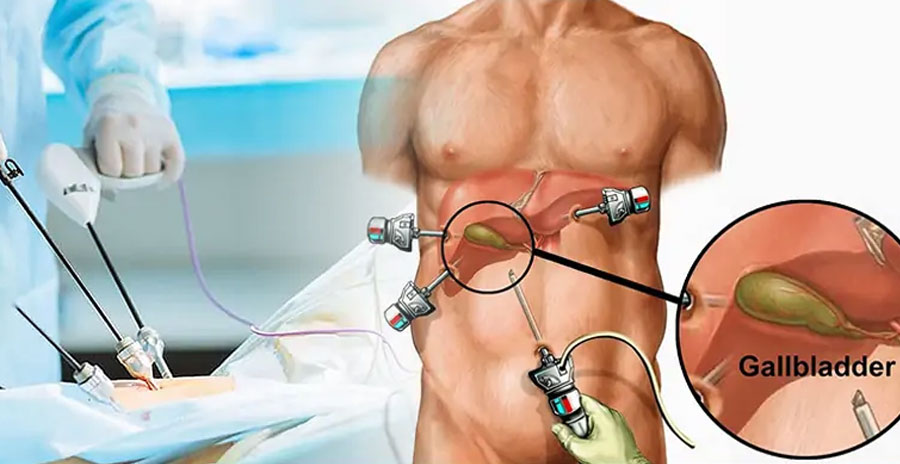
Laparoscopic Cholecystectomy
This minimally invasive surgery involves making small incisions in the abdomen and using a camera and specialized instruments to remove the gallbladder. Benefits include:
- Shorter recovery time
- Less postoperative pain
- Reduced risk of infection
Open Cholecystectomy:
In cases where the gallbladder is severely inflamed, infected, or if there are complications, an open cholecystectomy may be necessary. This procedure involves a larger incision in the abdomen. While it has a longer recovery period, it is effective for complex cases.
Post-Surgical Recovery and Management
Recovery from a cholecystectomy depends on the type of surgery performed. Here are some general guidelines for post-surgical care:
- Hospital Stay: Laparoscopic surgery often allows patients to go home the same day or after an overnight stay, while open surgery may require a hospital stay of several days.
- Activity Restrictions: Patients are usually advised to avoid strenuous activities and heavy lifting for several weeks.
- Dietary Adjustments: Initially, a bland diet is recommended, gradually reintroducing regular foods as tolerated.
- Monitoring for Complications: Watch for signs of infection, such as fever, redness, or swelling at the incision sites.
Long-term Outlook
Most individuals recover fully from a cholecystectomy and can return to normal activities within a few weeks. Without a gallbladder, bile flows directly from the liver into the small intestine, which can lead to occasional digestive issues such as diarrhea, particularly after consuming high-fat foods. However, these symptoms often improve over time. Dr Chandrakant Sabale is Best Gallbladder Surgeon in Panvel.
Conclusion
Gallbladder issues, while potentially painful and disruptive, are manageable with proper medical intervention. Early recognition of symptoms and timely treatment, whether through lifestyle changes, medication, or surgery, can lead to effective management and a return to normal life. If you experience any symptoms associated with gallbladder problems, seek medical advice promptly to determine the best course of action. Dr Chandrakant Sabale is Best Gallbladder Surgeon in Panvel.